

When Life Happens: How Home Equity Can Create More Options for Older Adults.

Guest Blog Post: Kristy Osborn | Mortgage Equity Planner | NMLS# 999896
In my work with older adults and their families, I’ve seen how difficult life transitions can quickly change even the best-laid plans. And I’ve also seen how one of the most significant resources many older adults possess is frequently overlooked: the equity in their home.
When we imagine retirement, we often picture travel, grandchildren, hobbies, and time to enjoy the rewards of a lifetime of hard work. Few of us envision a sudden health event, the loss of a spouse, a major home repair, or an unexpected financial setback.
Unfortunately, life rarely unfolds exactly according to plan.

Those of us who work with older adults see this reality every day. Care managers, financial planners, elder law attorneys, social workers, senior placement specialists, home care providers, and other senior service professionals are often called upon when a family is already in crisis mode. Decisions are urgent. Emotions are high. Resources feel limited.
In these moments, I’ve found that families often focus on what they may need to give up rather than the options they still have available.
One option that deserves to be part of that conversation is home equity.
The Resource Hiding in Plain Sight
For many older adults, their home represents more than a place to live. It is also their largest financial asset.
Yet when a crisis emerges, I often see families look first to investment accounts, savings, credit cards, or even financial assistance from adult children before considering how home equity might support their goals.
It’s not because they’re making poor decisions. More often, they just haven’t thought of their housing wealth as a resource that could potentially be part of the solution.
That can lead to additional financial stress, premature moves, or the depletion of assets that might otherwise help support long-term financial security. Simply adding home equity to the conversation can help families see that they may have more options than they initially thought.
1. A Health Event Changes Everything
A fall. A stroke. A new diagnosis.
Suddenly, an older adult who was living independently may need home modifications, in-home care, transportation assistance, or specialized equipment.
In many cases, a family’s first reaction is to assume a move is necessary.
Sometimes it is.
Sometimes it isn’t.
Before making such a significant life transition, I believe it’s worth asking whether the equity in the home could potentially help fund solutions that allow someone to remain safely at home longer.
Accessibility improvements, caregiving support, or temporary assistance may provide another path to consider, particularly when weighed against the financial and emotional impact of relocating.

2. Caregiving Becomes a Full-Time Responsibility
I’ve seen how quickly caregiving responsibilities can affect an entire family.
Millions of family caregivers are balancing careers, children, finances, and caregiving responsibilities simultaneously. Meanwhile, expenses for supplemental care, respite services, medical equipment, transportation, meal programs, or home maintenance can continue to grow.
Eventually, families may find themselves asking:
“How are we going to pay for this?”
There’s another question worth asking:
“Can the home help support the care plan?”
Housing wealth may provide another avenue to explore—one that could potentially support both the person receiving care and the family members providing it.
3. The Loss of a Spouse Creates Financial Uncertainty
The death of a spouse affects far more than emotions.
Household income may decline. Social Security benefits may change. Pension income may be reduced. Yet property taxes, insurance, maintenance, utilities, and everyday living expenses continue.
And there’s something I hear frequently from surviving spouses:
“I want to stay in my home.”
I understand why. A home may represent decades of memories, friendships, routines, and connections to a community.
But families sometimes assume staying is financially impossible before fully exploring the resources available to them.
That’s why I believe housing wealth deserves a place in these conversations. Considering the equity in the home as part of the overall financial picture may reveal additional options that could help a surviving spouse maintain independence and stability.
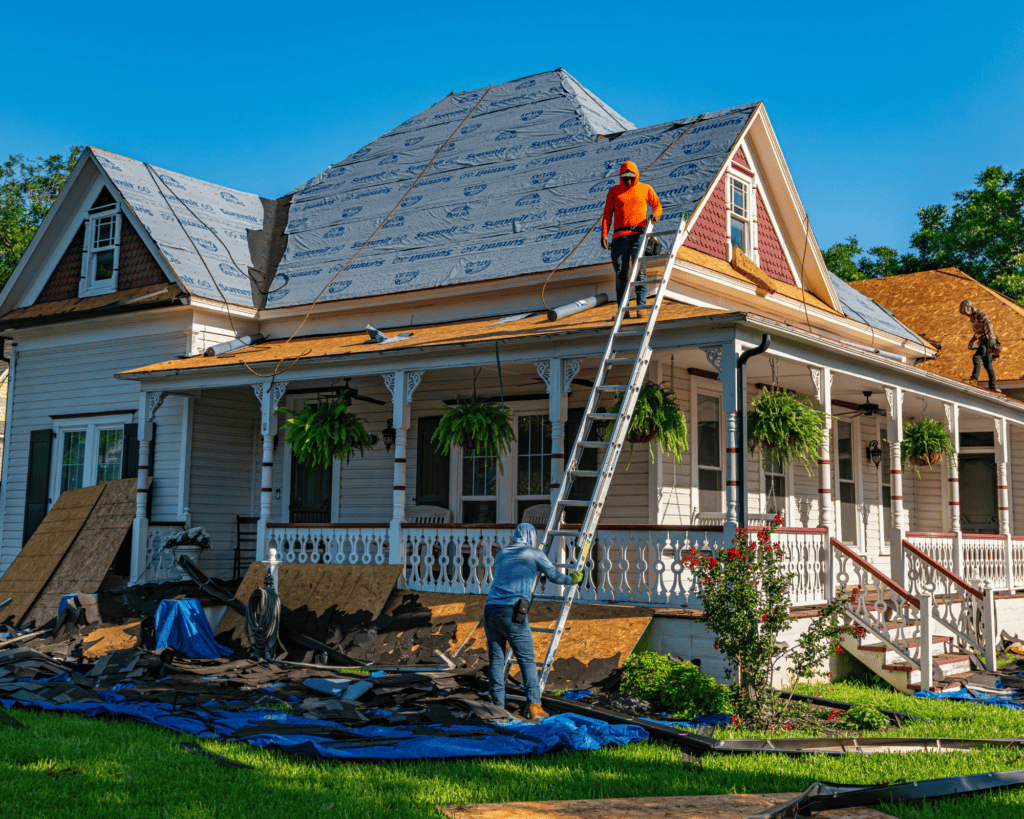
4. The House Needs Major Repairs
A leaking roof.
An aging HVAC system.
Foundation issues.
Plumbing failures.
Any one of these can create immediate financial stress, particularly for an older homeowner living on a fixed income.
There’s an irony I see in situations like these: The home that someone wants to remain in may also be one of their largest financial assets, yet they may not have enough available cash to make the improvements necessary to comfortably stay there.
In other words, they can be house-rich but cash-strapped.
When major repairs arise, it’s worth considering whether some of the equity already built into the property could potentially help preserve both the home and the homeowner’s quality of life.
5. Retirement Assets Are Under Pressure
Inflation. Market volatility. Rising healthcare costs. Helping adult children or grandchildren. Unexpected emergencies.
Even people who planned carefully for retirement can encounter financial challenges they never anticipated.
During those periods, families may begin drawing down retirement accounts faster than intended or making withdrawals at times they would rather leave investments untouched.
I don’t believe home equity should be viewed as a replacement for thoughtful financial planning.
I do believe it deserves to be considered as part of it.
Depending on the homeowner’s circumstances, housing wealth may provide an additional source of financial flexibility that can be evaluated alongside retirement savings, investments, Social Security, pensions, and other assets.
6. A Reverse Mortgage May Provide Another Option
When I talk about making home equity part of the conversation, one option that deserves consideration—along with other home equity solutions like HELOCs and home equity loans—is a reverse mortgage.
Unfortunately, reverse mortgages are also something many families dismiss before they fully understand how they work.
For eligible older homeowners, a reverse mortgage can provide access to a portion of the equity they’ve built in their home without requiring them to sell or give up ownership. Depending on the loan and the homeowner’s circumstances, the funds may be available as a lump sum, monthly advances, a line of credit, or a combination of options.
One of the biggest differences from a traditional mortgage or home equity loan is that there are no required monthly principal and interest mortgage payments. Instead, repayment is typically deferred until the last borrower permanently leaves the home, sells it, or passes away. Any existing mortgage generally must be paid off with reverse mortgage proceeds, and remaining available funds can be used as the borrower wishes. The homeowner remains responsible for property taxes, homeowners insurance, home maintenance, and other applicable property charges and must continue to meet the terms of the loan.
That difference can make a reverse mortgage a valuable home loan solution to explore when an older homeowner is looking for ways to improve monthly cash flow and create greater financial flexibility.
You Don’t Need to Be a Mortgage Expert
Many of us who serve older adults already act as connectors.
We connect families with legal guidance.
We connect them with healthcare resources.
We connect them with financial professionals.
And we help connect them with solutions they may not have known existed.
Your role doesn’t have to be determining whether a particular mortgage or financial strategy is appropriate. It can simply be recognizing when housing wealth might be worth exploring and helping ensure the family has an opportunity to understand all of its options before making a major decision.
Expanding the Conversation
When families face a crisis, it’s easy for the choices to feel limited.
Sell the home.
Move immediately.
Drain retirement accounts.
Ask family members for help.
Postpone needed care.
Whenever I hear a family wrestling with choices like these, I think there’s another question that deserves to be asked:
“Have we looked at the equity in the home and how it might help?”
Not every situation will lead to the same answer.
Not every homeowner will choose the same path.
And accessing home equity won’t be appropriate for everyone.
But I believe every family deserves the opportunity to make an informed decision based on a fuller understanding of the resources available to them.
Final Thoughts
One of the things I’ve learned from working with older adults and their families is that helping someone through a difficult transition isn’t always about having the answer yourself.
Sometimes it’s about helping them discover possibilities they didn’t realize were there.
That’s why, when life happens, I don’t believe housing wealth should automatically be the last resource considered. It deserves a seat at the table.